Global fuel markets moved into focus this week after petrol and diesel prices recorded fresh increases across several countries, raising concerns among businesses, investors, and consumers already dealing with inflation and economic uncertainty. The latest rise is quickly becoming one of the biggest international business stories as global oil markets react to war-related developments and fears surrounding future supply disruptions.
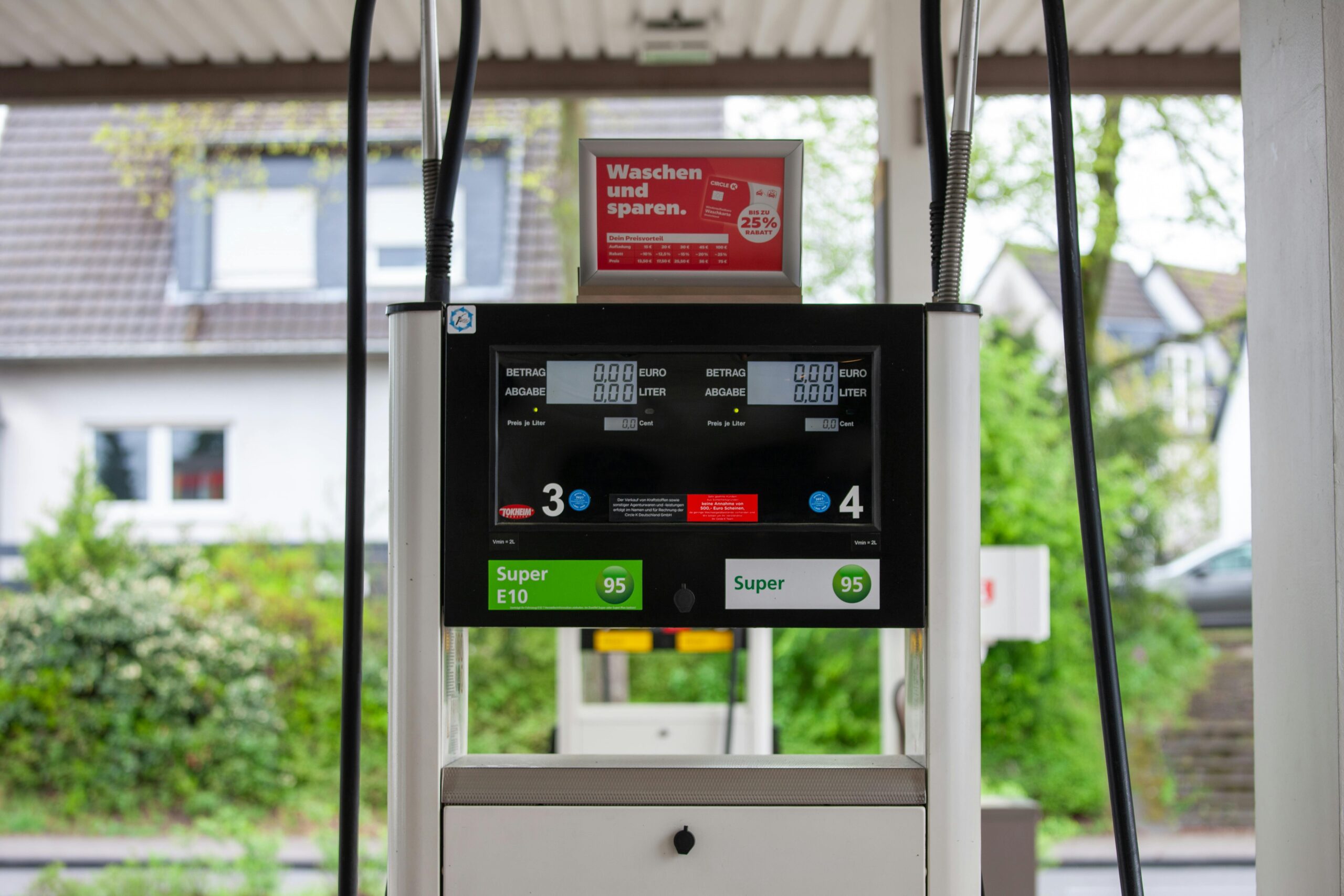
The increase is being seen across both developed and emerging economies, highlighting how rapidly global oil markets can influence everyday economic activity. In India, petrol prices are currently moving around ₹103-₹105 per litre, while diesel remains close to ₹90-₹92 per litre in several regions. In the United States, average petrol prices have climbed close to $1.40-$1.45 per litre, with diesel staying around $1.40 per litre. Across Germany, petrol prices are hovering near $2.35 per litre, while diesel remains above $2.10 per litre. In the United Kingdom, petrol is nearing $2.00 per litre, while diesel prices in several regions have crossed $2.30 per litre.

The recent movement in global oil markets has shifted attention toward geopolitical tensions and military developments affecting regions that play a major role in oil production. Historically, wars and political instability have influenced oil prices because energy systems rely heavily on stable transportation and uninterrupted supply chains.
Market attention is currently centered around the Middle East, which remains one of the most critical regions for global oil markets. A significant portion of the world’s crude oil supply travels through major international routes connected to this region. Any concern involving military activity, conflict escalation, or trade disruption immediately triggers reactions across oil trading networks.
In recent trading sessions, global oil markets have shown increased volatility as investors closely monitor whether war-related developments could create future supply pressure. Energy companies and financial institutions are watching closely because oil markets often react before actual disruptions appear.
Commodity researchers and energy market specialists tracking global oil markets say uncertainty itself can become a major pricing factor. Markets do not always wait for supply shortages to happen. If traders believe war could interrupt production or transportation systems in the coming weeks or months, oil prices frequently begin rising immediately.
The impact is now becoming visible across sectors beyond transportation and energy. Retail businesses, e-commerce companies, and large supply chain networks are beginning to monitor operating costs more closely as fuel expenses continue increasing. Higher logistics costs can eventually influence pricing strategies across industries that depend on large-scale movement of products.
Also Read: Joseph DiGraziano Advises Businesses with Integrity and Care
The impact is already spreading beyond oil companies. Transportation and logistics businesses are among the first sectors experiencing pressure because diesel remains one of their largest operational expenses. Shipping firms moving products internationally are also beginning to feel rising costs.

Airlines are carefully watching fuel prices because aviation fuel remains one of their biggest business expenses. Manufacturing companies and supply chain operators are also monitoring developments, as prolonged pressure across global oil markets could eventually increase production and transportation costs.
Financial markets are also beginning to react more cautiously as energy uncertainty returns to headlines. Investors are watching crude oil movement closely because sustained increases can affect broader economic growth forecasts. Rising fuel prices have historically influenced stock market sentiment, business confidence, and consumer spending patterns across major economies.
Economists are now paying attention to a broader concern: inflation. Fuel prices affect multiple industries at once. Food distribution systems depend on transportation. Imported products rely on shipping routes. Delivery operations require fuel. When prices continue rising, businesses frequently adjust pricing strategies to absorb increasing costs.
Several market observers believe the coming weeks could become important for global oil markets if geopolitical tensions continue rising. Any further conflict escalation or supply concerns could create additional pressure on crude prices, potentially leading to another round of fuel increases globally.
For now, what started as a movement in energy prices is rapidly becoming a larger economic issue. As war concerns continue and global oil markets remain sensitive to geopolitical developments, fuel prices are expected to remain among the most closely watched stories across international business news in the coming weeks.